




When disaster strikes your home, understanding the fine print of your homeowners insurance policy can mean the difference between financial recovery and devastating out-of-pocket expenses. Millions of American homeowners discover too late that their policy doesn't cover certain perils they assumed were protected. From flood damage wreaking havoc in unexpected areas to costly exclusions that leave families scrambling, the reality of home insurance coverage is far more complex than most realize. Major insurers like State Farm, Allstate, and GEICO each offer different coverage structures, yet certain exclusions remain consistent across the industry. Whether you're dealing with burst pipes, theft, or natural disasters, knowing exactly what your policy covers—and what it doesn't—is essential for protecting your most valuable asset. This comprehensive guide breaks down the critical coverage areas and dangerous gaps that could impact your financial security.
Understanding Standard Homeowners Insurance Coverage Types 🏠
Most homeowners insurance policies in the United States follow the HO-3 comprehensive coverage structure, which provides broad protection for your dwelling while offering named-peril coverage for personal belongings. This policy type represents the gold standard that companies like Progressive, Liberty Mutual, and Nationwide typically offer to homeowners seeking comprehensive protection.
The foundation of any solid homeowners policy rests on five core coverage areas that work together to protect different aspects of your property and financial well-being. Understanding how these components interact helps homeowners make informed decisions about their coverage limits and additional endorsements.
- 🏘️ Dwelling Coverage – Protects your home's physical structure
- 🛋️ Personal Property Protection – Covers your belongings and furnishings
- ⚖️ Liability Coverage – Shields you from lawsuits and injury claims
- 🏨 Additional Living Expenses – Pays for temporary housing during repairs
- 🏗️ Other Structures Coverage – Protects detached buildings on your property
Each coverage type has specific limits and deductibles that directly impact how much financial protection you receive during a claim. For detailed explanations of these coverage types, comprehensive policy breakdowns can help clarify the nuances of each protection area.
| Coverage Type | Typical Coverage Limit | Common Deductible Range |
|---|---|---|
| 🏠 Dwelling | Full replacement cost | $500 – $2,500 |
| 🛋️ Personal Property | 50-70% of dwelling limit | Same as dwelling |
| ⚖️ Liability | $100,000 – $500,000 | No deductible |
| 🏨 Additional Living Expenses | 10-30% of dwelling limit | No deductible |

Dwelling Coverage: Your Home's Structural Protection
Dwelling coverage forms the cornerstone of your homeowners insurance policy, providing financial protection for your home's physical structure including walls, roof, foundation, and permanently installed fixtures. This coverage typically extends to built-in appliances like water heaters, furnaces, and central air conditioning systems that are considered part of the home's infrastructure.
When covered perils strike your home, dwelling coverage pays for repairs or complete reconstruction up to your policy limits. Most insurers recommend coverage amounts that reflect the full replacement cost of rebuilding your home with similar materials and craftsmanship, rather than the home's market value which includes land prices.
What Perils Are Covered Under Standard Home Insurance Policies 🌪️
Standard homeowners insurance policies protect against a comprehensive list of named perils that can damage your property or belongings. Understanding these covered events helps homeowners recognize when their policy will respond to claims and when they might need additional coverage options.
The most common covered perils include sudden and accidental events that cause direct physical damage to your property. These protections have evolved over decades to address the most frequent causes of homeowners insurance claims across different geographic regions and climate conditions.
- 🔥 Fire and Smoke Damage – Including damage from nearby wildfires
- 🌪️ Wind and Hail Storms – Covering roof damage and broken windows
- ❄️ Ice and Snow Damage – Weight damage and ice dam issues
- 🚗 Vehicle Impact – Cars crashing into your home or structures
- ✈️ Aircraft Damage – Rare but covered under most policies
- 🪓 Vandalism and Malicious Mischief – Intentional property damage
- 💥 Explosion Damage – Gas leaks, propane tanks, or other explosive events
- 🌳 Falling Objects – Trees, branches, or debris hitting your home
Water damage coverage represents one of the most complex areas of homeowners insurance, with specific distinctions between covered and excluded water events. Sudden and accidental water damage, such as burst pipes or appliance malfunctions, typically receives coverage, while gradual leaks or maintenance-related water issues do not.
For comprehensive coverage information, resources like detailed policy guides can help homeowners understand the nuances of peril coverage and exclusions.
Fire and Smoke Damage Protection
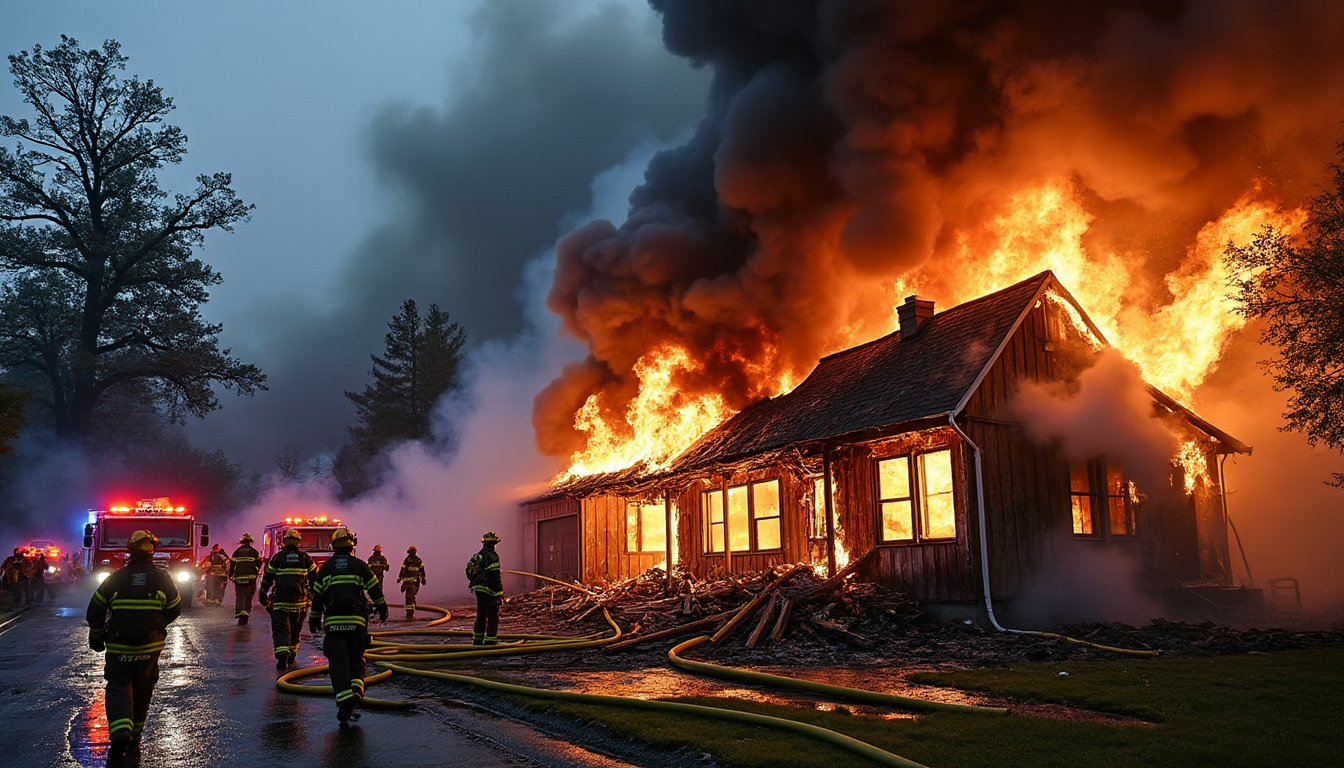
Fire damage consistently ranks among the most expensive homeowners insurance claims, with average claim costs exceeding $75,000 according to industry data. Your policy covers not only direct fire damage but also smoke damage throughout your home, even in areas where flames never reached.
This coverage extends to additional living expenses when fire damage makes your home uninhabitable, ensuring you have funds for temporary housing while repairs or reconstruction take place. Companies like Farmers Insurance and USAA often provide enhanced fire coverage in high-risk wildfire areas.
Major Exclusions That Could Leave You Financially Vulnerable 🚫
Understanding what your homeowners insurance doesn't cover is equally important as knowing your protected perils. These exclusions exist because certain risks require specialized coverage or fall outside the realm of sudden, accidental events that traditional homeowners policies address.
Many homeowners learn about these exclusions during the worst possible time—when filing a claim after a disaster. Flood damage alone affects thousands of properties in areas never previously considered flood-prone, yet standard policies provide no protection against rising water.
- 🌊 Flood Damage – Requires separate flood insurance through NFIP or private insurers
- 🌍 Earthquake Damage – Needs specialized earthquake insurance coverage
- 🐛 Pest Infestations – Termite, rodent, or insect damage excluded
- 🔧 Maintenance Issues – Wear and tear, aging, or neglect-related problems
- 🏢 Business Activities – Home-based business equipment and liability
- ☢️ Nuclear Hazards – Radiation or nuclear contamination events
- ⚔️ War and Government Action – Military conflicts or seizure of property
- 🏗️ Construction Defects – Faulty workmanship or design flaws
The financial impact of these exclusions can be devastating for unprepared homeowners. For instance, basement flooding from heavy rains can cause tens of thousands of dollars in damage, yet homeowners insurance provides no coverage for this type of water intrusion.
Learning about common exclusions through detailed exclusion guides helps homeowners identify coverage gaps and explore additional protection options before disaster strikes.
| Excluded Peril | Alternative Coverage Option | Average Annual Cost |
|---|---|---|
| 🌊 Flood Damage | NFIP Flood Insurance | $400 – $2,000 |
| 🌍 Earthquake | Earthquake Insurance | $800 – $3,000 |
| 💍 High-Value Items | Personal Articles Floater | $100 – $500 |
| 🚰 Sewer Backup | Water Backup Endorsement | $40 – $150 |
Flood Damage: The Most Costly Exclusion
Flood damage represents the largest coverage gap in standard homeowners insurance, affecting properties far beyond traditional flood zones. Climate change has increased flood risks in previously safe areas, making flood insurance a critical consideration for homeowners nationwide.
The National Flood Insurance Program provides federally-backed coverage, while private flood insurance options often offer higher coverage limits and additional features. Travelers and American Family Insurance agents frequently recommend flood coverage even for moderate-risk areas, as flooding can occur from overwhelmed storm drains, broken water mains, or rapid snowmelt.
Personal Property Coverage and Valuation Methods 💰
Personal property coverage protects your belongings inside your home, but understanding how insurers value your possessions during claims can significantly impact your reimbursement amounts. Most policies offer two primary valuation methods: actual cash value and replacement cost coverage.
Actual cash value coverage pays for your belongings' depreciated worth at the time of loss, while replacement cost coverage provides funds to purchase new items of similar kind and quality. The difference between these approaches can mean thousands of dollars in claim settlements for major losses.
- 👕 Clothing and Personal Items – Full replacement cost for most policies
- 💻 Electronics and Technology – Subject to depreciation schedules
- 🪑 Furniture and Appliances – Replacement cost with proper coverage
- 📚 Books and Media – Limited coverage for rare or collectible items
- 🎨 Artwork and Collectibles – Special limits apply without endorsements
- 💍 Jewelry and Precious Items – Typically limited to $1,000-$2,500 total
- 🔧 Tools and Equipment – Business tools may have limited coverage
- 🎵 Musical Instruments – Professional instruments need special coverage
Many homeowners underestimate the total value of their personal property, leading to inadequate coverage limits during major losses. Professional appraisals and detailed home inventories help ensure you carry sufficient personal property limits to replace your belongings fully.
For guidance on valuing personal property, comprehensive coverage resources provide detailed information about inventory techniques and coverage recommendations.
High-Value Item Protection Strategies
Standard homeowners policies impose strict limits on coverage for expensive items like jewelry, artwork, antiques, and collectibles. These sublimits typically range from $1,000 to $2,500 for all jewelry combined, regardless of your total personal property coverage amount.
Personal articles floaters or scheduled personal property endorsements provide blanket coverage for high-value items without deductibles and often include broader perils than standard coverage. These endorsements require professional appraisals but offer comprehensive protection for irreplaceable or expensive possessions.
Liability Coverage: Protection Against Lawsuits and Claims ⚖️
Homeowners insurance liability coverage serves as your financial shield against lawsuits and injury claims arising from accidents on your property or damages you accidentally cause to others. This protection extends far beyond your property lines, covering incidents involving your family members anywhere in the world.
Modern liability coverage includes both bodily injury and property damage protection, plus coverage for legal defense costs even if you're ultimately found not liable. The legal costs alone for defending against a lawsuit can reach tens of thousands of dollars, making liability coverage one of your policy's most valuable components.
- 🤕 Slip and Fall Accidents – Injuries to visitors on your property
- 🐕 Pet-Related Incidents – Dog bites and pet-caused property damage
- ⚾ Accidental Property Damage – Damage you cause to neighbors' property
- 🏊 Swimming Pool Accidents – Drowning or diving injury claims
- 🚲 Bicycle or Sports Injuries – Accidents involving family members
- 💻 Cyber Liability Issues – Identity theft and online harassment claims
- 🎉 Party and Event Liability – Accidents during gatherings at your home
- 🔥 Fire Spread Liability – If fire from your property damages neighbors
Standard liability limits range from $100,000 to $500,000, but many insurance professionals recommend higher limits or umbrella policies for enhanced protection. Liability claims can easily exceed standard policy limits, particularly in cases involving serious injuries or extensive property damage.
Understanding liability coverage nuances through detailed insurance guides helps homeowners assess their risk exposure and coverage adequacy.
Dog Bite and Pet Liability Considerations
Dog bite claims represent approximately one-third of all homeowners insurance liability claims, with average settlements exceeding $50,000. Most policies cover dog bite incidents regardless of the animal's previous behavior, but some insurers exclude certain breeds or impose restrictions after a claim.
Pet liability extends beyond bites to include property damage, such as dogs destroying neighbors' landscaping or causing car accidents. Some insurers like State Farm and Allstate maintain breed-neutral policies, while others may exclude coverage for specific dog breeds deemed high-risk.
Additional Living Expenses: When Your Home Becomes Uninhabitable 🏨
Additional Living Expenses (ALE) coverage provides crucial financial support when covered damages make your home temporarily uninhabitable. This often-overlooked coverage can mean the difference between managing a disaster recovery smoothly and facing financial hardship while your home undergoes repairs.
ALE coverage typically provides 10% to 30% of your dwelling coverage limit to pay for increased living costs during the repair period. These expenses include hotel bills, restaurant meals, pet boarding, and other costs above your normal living expenses while displaced from your home.
- 🏨 Temporary Housing Costs – Hotels, apartments, or rental homes
- 🍽️ Restaurant and Food Expenses – Above normal grocery spending
- 👕 Clothing and Personal Items – Immediate necessities while displaced
- 📦 Storage Unit Rental – For belongings during repairs
- 🚚 Moving and Transportation – Costs to relocate temporarily
- 🐕 Pet Boarding and Care – Temporary animal accommodation
- 📞 Communication Expenses – Phone and internet setup costs
- 🧺 Laundry and Cleaning – Services not available at home
The duration of ALE coverage varies by insurer and policy type, with most policies providing coverage until repairs are complete or you reach your policy limits. Some policies include time limits regardless of whether repairs are finished, making it important to understand your specific coverage terms.
For comprehensive information about ALE coverage, myth-busting insurance resources help clarify common misconceptions about temporary living expense coverage.
Calculating Additional Living Expenses Needs
Determining adequate ALE coverage requires considering your family's size, local temporary housing costs, and potential repair timeframes. Major disasters can strain local housing markets, driving up temporary accommodation costs significantly above normal rates.
Insurance companies like GEICO and Progressive typically calculate ALE based on the difference between your temporary living costs and normal household expenses. This means if you normally spend $400 monthly on groceries but need $800 for restaurant meals while displaced, ALE covers the $400 difference.
Choosing the Right Coverage Limits and Deductibles 📊
Selecting appropriate coverage limits and deductibles requires balancing premium costs against potential out-of-pocket expenses during claims. These decisions significantly impact both your annual insurance costs and your financial exposure during disasters.
Coverage limits determine the maximum amount your insurer will pay for each type of loss, while deductibles represent your portion of covered losses before insurance payments begin. Understanding how these elements interact helps homeowners optimize their coverage for both protection and affordability.
- 🏠 Dwelling Limits – Should reflect full replacement cost, not market value
- 💰 Personal Property Limits – Typically 50-70% of dwelling coverage
- ⚖️ Liability Limits – Consider umbrella policies for high net worth individuals
- 🏨 ALE Limits – Usually 10-30% of dwelling coverage automatically
- 💳 Deductible Options – Higher deductibles reduce premiums significantly
- 📈 Inflation Protection – Automatic increases to keep pace with construction costs
- 🔄 Replacement Cost – Covers full cost to rebuild with similar materials
- 📋 Policy Reviews – Annual assessments ensure adequate coverage
Many homeowners underinsure their properties by basing coverage limits on market value rather than replacement costs. Construction costs often exceed home values, particularly in areas where land values represent a significant portion of property worth.
| Coverage Component | Recommended Approach | Common Mistakes |
|---|---|---|
| 🏠 Dwelling Coverage | Full replacement cost estimate | Using market value or tax assessment |
| 💰 Deductible Selection | Highest amount you can afford | Choosing lowest deductible available |
| ⚖️ Liability Limits | At least equal to net worth | Accepting minimum required coverage |
| 💍 Valuable Items | Separate scheduling for expensive items | Relying on standard sublimits |
Resources like detailed policy guides provide comprehensive information about optimizing coverage limits and understanding policy structures.
Deductible Impact on Premium Costs
Increasing your deductible from $500 to $2,500 can reduce your annual premiums by 25% or more, depending on your insurer and location. However, this strategy requires maintaining adequate savings to cover the higher out-of-pocket costs during claims.
Some insurers offer percentage deductibles for certain perils, particularly wind and hail damage in coastal areas. These deductibles calculate based on your dwelling coverage amount rather than fixed dollar amounts, potentially creating much higher out-of-pocket costs for expensive homes.
Specialized Coverage Options and Endorsements 🔧
Standard homeowners insurance policies provide broad protection, but many homeowners benefit from specialized coverage options and policy endorsements that address specific risks or coverage gaps. These additions typically cost modest amounts but can provide substantial protection for unique circumstances.
Understanding available endorsements helps homeowners customize their coverage to match their specific needs, lifestyles, and risk exposures. Many of these options address exclusions in standard policies or provide enhanced coverage limits for particular types of property or situations.
- 💧 Water Backup Coverage – Protects against sewer and drain backups
- 🌊 Service Line Coverage – Repairs utility lines on your property
- 💻 Identity Theft Protection – Covers restoration costs and lost wages
- 🏢 Home Business Coverage – Limited protection for home-based businesses
- 🔋 Equipment Breakdown – Covers mechanical failures of home systems
- 💎 Scheduled Personal Property – Enhanced coverage for valuable items
- 🌪️ Extended Replacement Cost – Additional dwelling coverage above limits
- 🏡 Ordinance and Law Coverage – Updates to meet current building codes
Many endorsements cost less than $100 annually but provide thousands of dollars in additional protection. Water backup coverage, for instance, typically costs $40-$60 per year but can provide up to $10,000 in coverage for sewer backup damage that standard policies exclude.
For detailed information about endorsement options, comprehensive coverage analyses help homeowners evaluate which additional protections might benefit their specific situations.
Water Backup and Service Line Protection
Water damage from backed-up sewers or drains affects thousands of homeowners annually, particularly during heavy rainfall or flooding events. This coverage protects against water damage from clogged municipal sewers, septic system backups, or overwhelmed storm drains that force contaminated water into homes.
Service line coverage protects the utility lines running from municipal connections to your home, including water, sewer, electrical, gas, and communication lines. These repairs can cost thousands of dollars and often fall in coverage gaps between homeowners insurance and utility company responsibilities.
Top DeFi Projects to Watch in 2025
The decentralized finance landscape continues reshaping traditional financial services as we advance through 2025. Major institutional players are accelerating their blockchain adoption, with BlackRock's BUIDL fund expanding across multiple networks and Deutsche Bank developing its own Ethereum layer 2 solution.…
Table des Matières

