







The heat waves that struck Europe this summer cost the continent's economy roughly 113 billion euros, according to a study by Allianz Trade cited by several media outlets. France ranks 3rd among the hardest-hit countries, with estimated losses of 20 billion euros, just behind Italy and Germany. But behind this striking figure lies a less well-known reality: almost none of this bill ever passes through insurance companies.
A record bill for the economy, almost nothing for insurers
According to estimates from the agency Moody's, this summer's heat waves generated roughly 43 billion euros in economic losses across Europe, against barely 500 million euros in compensation paid out by insurers. This is what specialists call the protection gap, or climate insurance gap: the difference between what a climate event actually costs and what it actually gets reimbursed. Separately, the Swiss Re Institute notes that global insured losses linked to natural catastrophes reached roughly $42 billion in the first half of the year, a level below the long-term trend, though with risks seen as continuing to rise.
Why heat almost always slips past standard policies
Unlike a storm or a flood, a heat wave is not in itself an insurable loss: it doesn't directly break anything. It's the indirect consequences that end up costing the most, and they rarely fall within the scope of a standard homeowner's or auto policy:
- Lower productivity and temporary business closures, almost never covered by standard business interruption insurance.
- Heat-related sick leave, covered by Sécurité sociale (France's national social security system) and supplemental disability insurance, not by homeowner's insurance.
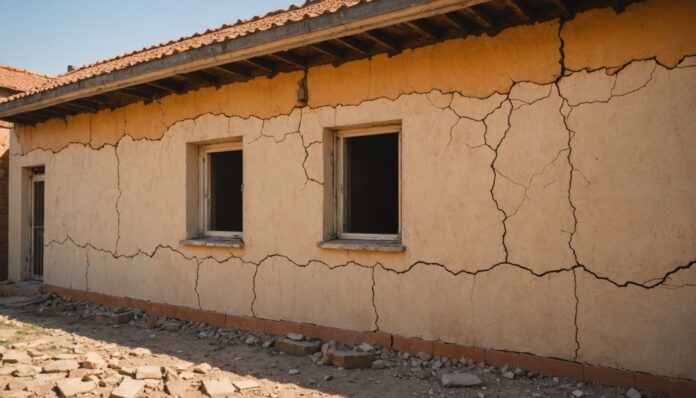
- Cracks and ground movement caused by drought, which fall under a separate system, the French natural disaster scheme (known as “catastrophes naturelles,” or CatNat), with its own recognition criteria.
- Agricultural losses, covered only if the farmer has taken out a specific multi-peril climate insurance policy.
What this means in practice for policyholders
This situation is feeding an underlying trend already visible in French insurance contracts: the steady rise in homeowner's insurance rates, driven more by the growing number of extreme weather events than by claims actually paid out. Insurers pass the risk on upstream, through premiums, even though they only cover a fraction of it downstream. The same trend is hitting auto and health insurance, as shown by the upward revision of rates across several lines of insurance announced for the coming months. Against this backdrop, some policyholders are turning to other options to ease the bill, such as the recent reform of borrower's insurance in France, which makes it easier to switch policies on home loans.
For households, the experts' message is clear: it's better to plan ahead than to deal with the fallout after the fact. Check the actual scope of your natural disaster coverage, report any drought-related damage promptly, and don't mistake having an insurance policy for automatic coverage of every effect of climate change.
Frequently Asked Questions
Does my homeowner's insurance cover damage caused by a heat wave?
Only indirectly, through natural disaster coverage for drought-related cracks, and only if an official government decree recognizes natural disaster status for the municipality in question. Heat itself is not a covered loss.
Are businesses better protected against these losses?
No, quite the opposite: productivity losses and temporary closures linked to heat are rarely covered by standard business interruption policies, which generally require prior direct physical damage.
Should we expect insurance premiums to rise again because of climate change?
Insurers are already factoring the growing frequency of extreme weather events into their pricing models. This is one of the factors, along with repair costs, behind the rate increases already announced for auto and homeowner's insurance.
Sources
- Europe1 — Allianz Trade study on the economic cost of the 2026 heat wave
- Swiss Re Institute — insured catastrophe losses, first half of 2026
- Claims Journal — the insurance gap facing European heat waves (Moody's estimates)
Health Coverage Essentials: A Beginner's Guide
In the ever-evolving landscape of healthcare in the United States, understanding health insurance is not just a necessity; it's a lifeline. As we journey through the intricate web of policies and plans, we aim to illuminate the complexities of health…
Cancellation, Compensation, Remote Sign-Up: Insurance Reform in France
Three regulatory texts are profoundly changing the rules of the game for insurance in France, for individuals and small businesses alike. Between compensation deadlines now set by law, easier cancellation for small and medium-sized businesses, and better-secured online sign-up, the…
Top 10 Cheapest Life Insurance Policies You Can Get in 2025
Finding affordable life insurance coverage has never been more crucial as families navigate rising costs and economic uncertainty. With monthly premiums starting as low as $28, top-rated insurers like Prudential, State Farm, and Banner Life are revolutionizing the market by…
Borrower's Insurance: What's Really Changing for Borrowers in France
Long criticized for clauses seen as too favorable to banks, borrower's insurance (mortgage loan insurance) has been changing its face since September 1, 2026. A reform building on the Lemoine law (France's 2022 law that lets borrowers cancel their loan…
This article was written with the help of artificial intelligence. Editorial policy
Table des Matières

